Last updated: October 29, 2026
HVAC maintenance and troubleshooting is about keeping heating and cooling systems efficient, safe, and predictable before a small fault turns into a no-cool call on the hottest day of the year. In this HVAC maintenance and troubleshooting guide, the quick answer is simple: check the filter, thermostat, breakers, vents, and condensate line first, because those five checks solve many common complaints. If a system is short-cycling, blowing weak air, making new noises, or running longer than usual, the fix is often a dirty filter, blocked airflow, failed ignition, clogged drain, or thermostat problem — not a full system replacement.
A good maintenance plan does two jobs at once: it helps prevent common failures, and it gives a homeowner a clean way to tell the difference between a simple issue and a service call, but consult a professional when the symptom points to gas, electrical, refrigerant, or combustion trouble. That matters because HVAC systems are a mix of electrical parts, refrigerant circuits, combustion components, motors, sensors, and drainage paths. One bad guess can waste money; one correct diagnosis can save a compressor. The U.S. Department of Energy and the Air Conditioning Contractors of America both stress routine care and correct diagnosis for HVAC systems: https://www.energy.gov/energysaver/heat-pump-systems and https://www.acca.org/
I write about HVAC maintenance and troubleshooting as a service decision, not a hobby. The useful question is not “How does the whole system work?” The useful question is: what should be checked now, what can be fixed safely, what should trigger a technician, and what does a bad repair look like? That is the practical frame for HVAC maintenance and troubleshooting, and it keeps the focus on the next correct step.
Key Takeaways
- Most routine HVAC problems start with airflow, filtration, drainage, or control settings, not the major equipment.
- A dirty filter, blocked return, or closed supply register can mimic a serious failure.
- Annual professional service is still worth it, and scheduling it before peak season can reduce wait time and stress.
- Refrigerant, gas burners, electrical panels, and fan motors are not places for guesswork.
- A bad HVAC job often shows up as poor airflow, repeated trips, noisy startup, short cycling, or a drain line that clogs again within days.
- If a repair quote skips diagnosis, skips the cause, or promises a quick “top-off” with no leak finding, that is a warning sign.
What regular HVAC maintenance should actually include
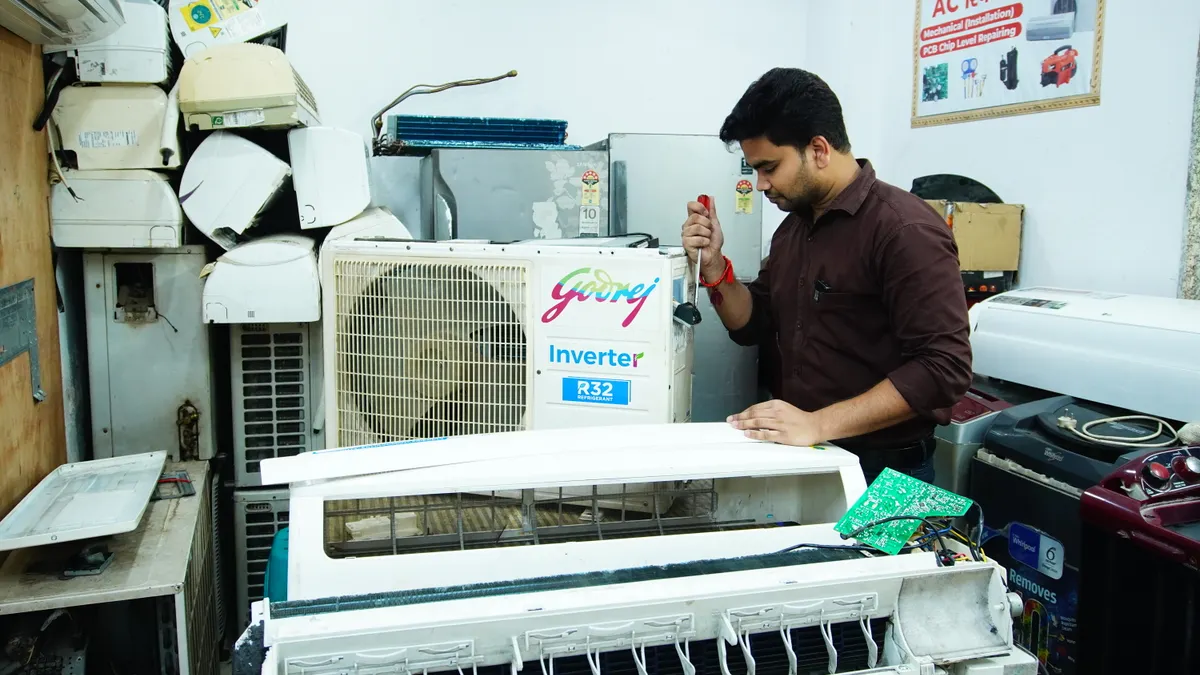
Regular HVAC maintenance should start with airflow, then move to cleaning, drainage, safety checks, and controls. That order matters because many “system problems” are caused by simple restrictions or settings, and those are cheaper to fix than anything in the refrigerant circuit or burner assembly.
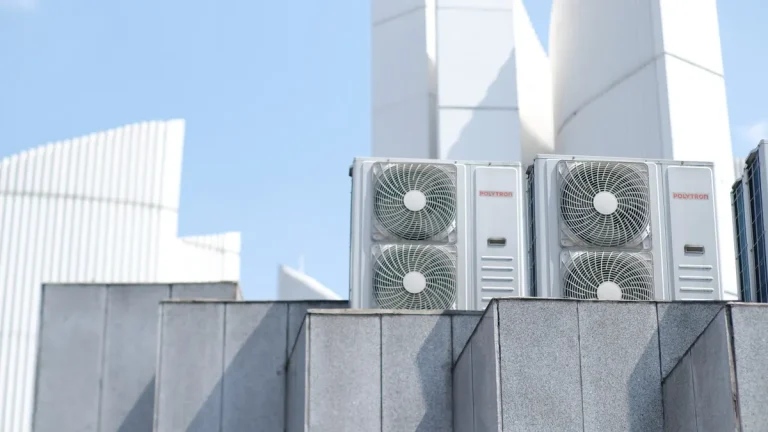
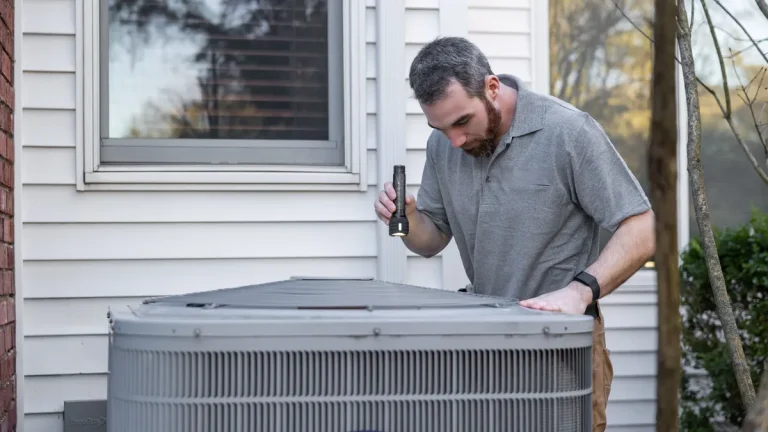
For an average split system, the most useful routine tasks are straightforward: replace or clean the filter, clear the condensate drain, inspect the return and supply grilles, check thermostat settings, look for ice on the indoor coil, listen for abnormal startup noise, and confirm the outdoor unit has clear space around it. On heating equipment, the technician should also inspect burners, heat exchanger condition, ignition, flue path, gas pressure, and safety switches where applicable. In many homes, a tune-up takes about 60 to 90 minutes for one system, and that time can stretch if access is tight or parts are dirty.
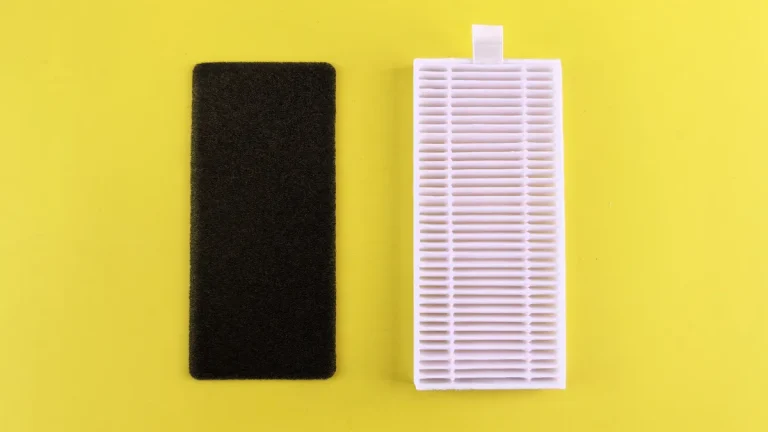
The filter is the first place to look because it affects both comfort and equipment life. A clogged filter can reduce airflow enough to cause coil icing in cooling mode or high-limit shutdown in heating mode. Many homes use 1-inch filters that need checking every 1 to 3 months, but homes with pets, remodeling dust, or long runtimes may need more frequent attention. A filter with a higher MERV rating is not automatically better if the system cannot move air through it; a restrictive filter can create the very problem it was meant to solve.
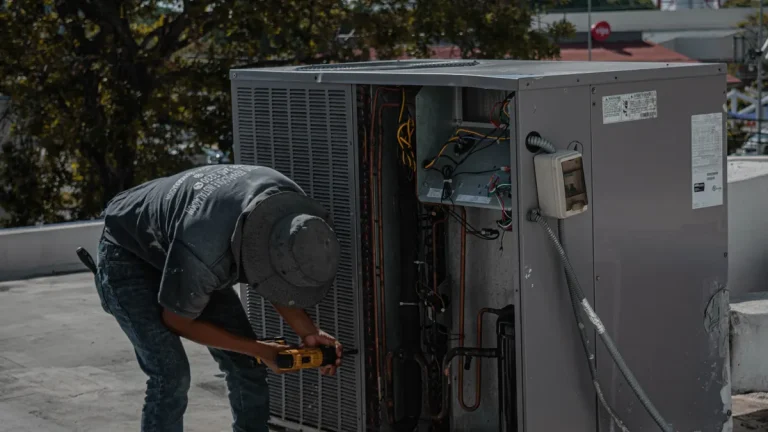
A professional tune-up usually takes around 60 to 90 minutes for one system, sometimes longer if access is tight or the technician finds clogged drains, dirty coils, or failing capacitors. The value is not the checklist alone. The value is spotting a pattern before the equipment fails in a heat wave or cold snap.
Who this is for: owners who want to avoid emergency service, lower the odds of surprise breakdowns, and keep the system operating the way it was designed.
Who should not treat this as enough: anyone hearing electrical buzzing, smelling gas, seeing repeated breaker trips, or finding frost on the refrigerant lines. Those are not maintenance issues; they are fault conditions, and a professional should inspect them.
What to check before you call for service
You should check the filter, thermostat, breakers, vents, and condensate line before calling for service because those five items solve a large share of simple HVAC complaints. That is often the fastest way to avoid paying for a visit that only confirms a clogged filter or a switched-off breaker, though a technician is still the right choice if the system keeps failing after those checks.
Start with the thermostat. Make sure the mode is set correctly, the setpoint is lower than room temperature for cooling or higher for heating, and the fan is on “auto” unless you intentionally want continuous airflow. If the display is blank, the batteries may be dead or the low-voltage circuit may be open. A thermostat set to the wrong mode can look like a compressor failure when it is only a control error.
Next, inspect the filter. Hold it up to light. If you cannot see much through it, airflow is already compromised. If the system seems weak but the filter is packed with dust, replace it before making any bigger assumption.
Then check the breaker panel and the furnace switch, if you have one. A breaker that trips once may be an isolated event; a breaker that trips again after reset points to a deeper electrical problem and should be left for a technician. Do not keep resetting a breaker that immediately trips again.
Look at supply registers and return grilles. Furniture pushed over a return can starve the blower. Closed supply vents do not usually save much money and can shift pressure through the system in ways the equipment does not like. If several rooms feel dead, the issue may be airflow balancing, a disconnected duct, or a damper problem, not the main unit.
Finally, check for a full condensate pan or clogged drain line. If the indoor unit is near a leak or the auxiliary drain switch has tripped, the system may shut down to prevent water damage. A wet spot around the air handler is not cosmetic; it is often the sign that the drain path needs cleaning.
If those steps do not change anything, that is the point to call for diagnostics. A good service call begins with observed symptoms, not guesses.
Why is my HVAC system not cooling or heating?
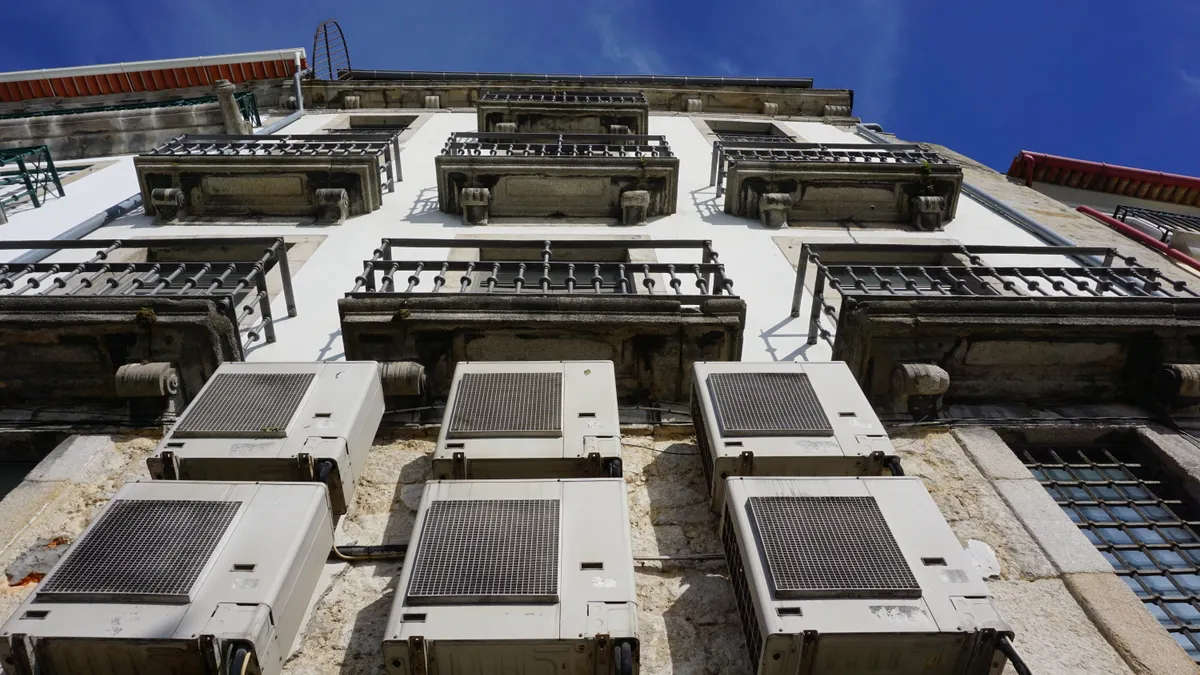
Your HVAC system is usually not cooling or heating because airflow is restricted, the thermostat is misreading conditions, the outdoor unit is not running, the burner or ignition has failed, or a safety switch has stopped operation. Those are the most common branches to sort through before assuming a major component has died.
For cooling problems, the first distinction is simple: is the indoor fan running and the outdoor condenser running? If the indoor fan runs but the outdoor unit does not, the problem may be the contactor, capacitor, control board, thermostat signal, or a safety lockout. If both run but the air is still warm, look at the filter, coil condition, blower speed, and possible refrigerant problems. If the indoor coil is iced, shut the cooling off and run the fan only until thawed; continued operation can damage the compressor.
For heating problems, gas furnaces commonly fail at ignition, flame sensing, pressure switching, or airflow limits. The burner may light and then shut down within seconds if the flame sensor is dirty or the heat exchanger is overheating from poor airflow. Electric heat strips fail differently, often with a tripped breaker, failed sequencer, or relay issue. Heat pumps add their own layer: a reversing valve, defrost mode, or auxiliary heat problem can make the house feel underheated even when the system is technically running.
A few symptoms are especially useful because they narrow the fault quickly:
- Short cycling: the system starts and stops too often. Common causes include a dirty filter, oversized equipment, thermostat placement, low refrigerant, or safety shutdown.
- Warm air from vents in cooling mode: possible thermostat issue, compressor failure, failed capacitor, or low refrigerant.
- Weak airflow: clogged filter, dirty blower wheel, blocked return, collapsed duct, or blower motor problem.
- Burning smell: dust on first startup can be normal briefly after a long shutdown, but persistent odor can mean electrical overheating.
- Water around the indoor unit: usually condensate drainage, frozen coil thawing, or a cracked drain pan.
A diagnostic visit should identify the cause, not just the symptom. If a technician quotes a refrigerant recharge without discussing why the refrigerant level is low, that is a red flag. Refrigerant does not get “used up” in normal operation; low charge usually means a leak, and the leak should be found and repaired.
For safe reference, the U.S. Department of Energy has a homeowner guide to heat pumps and efficiency basics, and the Air Conditioning Contractors of America publishes industry guidance on proper HVAC maintenance practices:
- U.S. Department of Energy: https://www.energy.gov/energysaver/heat-pump-systems
- ACCA: https://www.acca.org/
What a bad HVAC repair or maintenance job looks like
A bad HVAC job usually leaves the original cause unresolved and creates a new problem within days or weeks. That is not a subtle issue. It shows up as repeat calls, uneven temperatures, noisy operation, and repairs that do not match the symptom.
One of the clearest warning signs is a service visit that ends with a parts swap and no diagnosis. If the technician replaces a capacitor, control board, or igniter but cannot explain why it failed, the fix may be lucky rather than durable. The part can fail again if the underlying cause is voltage stress, airflow restriction, corrosion, or a bad connection.
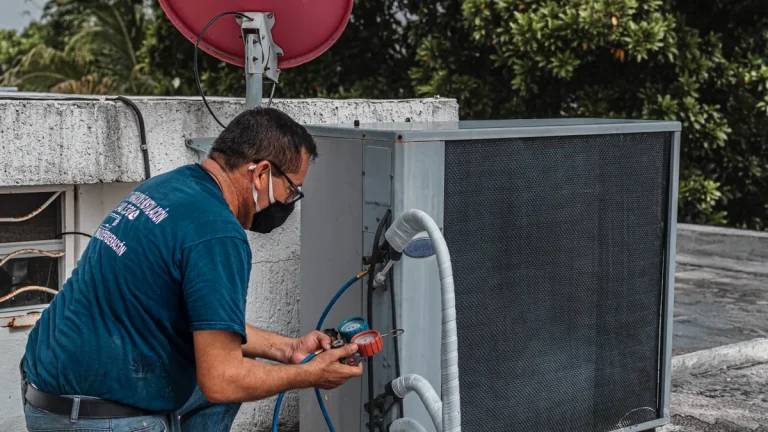
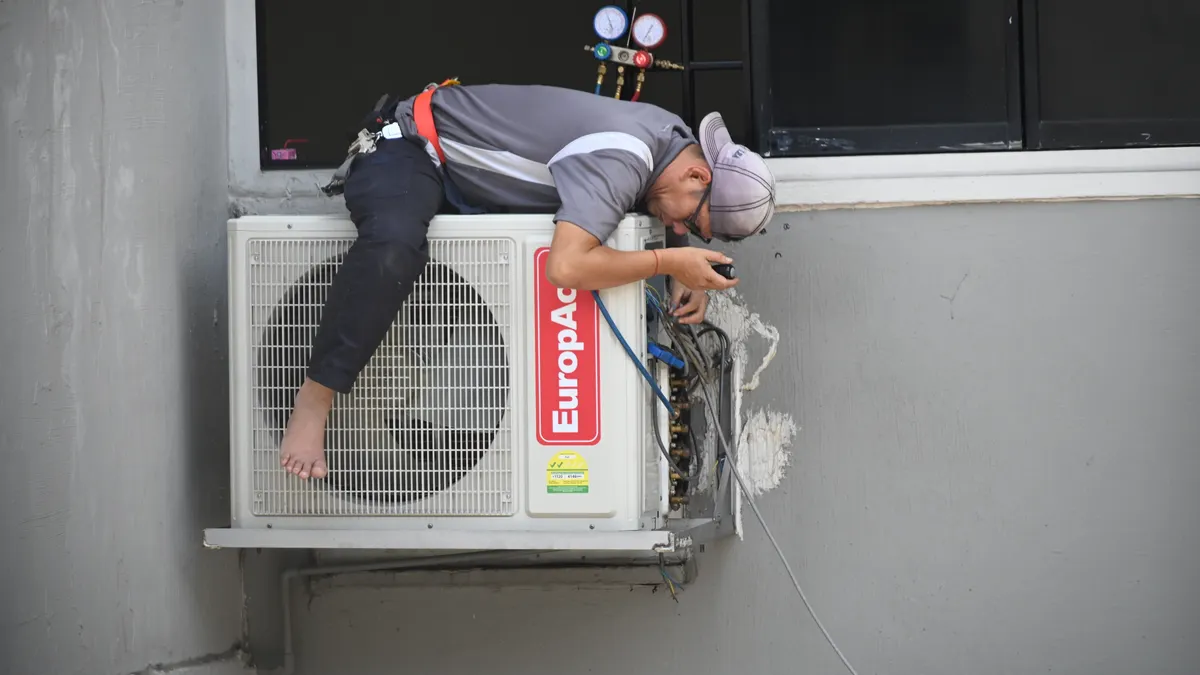
Another red flag is a refrigerant service that treats low charge as the whole story. A system charged without leak detection may run for a while and then lose performance again, so a homeowner should consult a professional who can verify the cause and test for leaks. Proper work should include locating the leak, repairing it if practical, and then recharging to the maker’s specifications. “Topped off” is not a diagnosis.
Poor maintenance is often visible long before a total failure. Common signs include:
- Dust buildup inside the cabinet right after a “cleaning”
- Loose wiring or unsealed access panels
- Missing screws, bent fins, or damaged insulation
- Drain lines that clog again quickly
- Burners or coils left dirty after service
- No recorded static pressure, amperage, temperature split, or combustion check on a system that needed one
The measurement details matter because they show whether the system was assessed properly. A technician who checks airflow or temperature rise is doing a different level of work than someone who only glances at the thermostat and changes a filter. On a furnace, the allowable temperature rise is printed on the unit data plate; a service visit should stay within that range. On a cooling system, abnormal temperature split or airflow can point to a hidden problem that a casual inspection will miss.
Bad work also shows up in the price structure. If the quote is vague, bundled, or built around a “special” with no line-item explanation, ask what is included: diagnosis, cleaning, drain clearing, filter replacement, coil cleaning, capacitor test, combustion check, or refrigerant verification. A good company can say what it inspected and why. A weak one hides behind general promises.
This section is especially important for homeowners who already had a repair and the same symptom returned. Recurring trouble after service is often a sign that the symptom was treated, not the cause, and a professional should reassess the system.
The Honest Side-by-Side
The right choice is usually between doing basic maintenance yourself and hiring a professional for inspection and repair. Basic homeowner maintenance wins for speed and cost. Professional service wins for diagnosis, safety, and anything involving combustion, refrigerant, electrical testing, or hidden drainage problems.
| Criteria | Basic homeowner maintenance | Professional HVAC service | Winner for condition |
|---|---|---|---|
| Up-front cost | Filter changes and visual checks are low-cost; the main expense is replacement parts like filters | A tune-up or diagnostic visit costs more because it includes labor and testing | Homeowner maintenance for routine upkeep |
| Safety | Safe only when limited to filters, thermostat settings, visible drains, and clear vents | Safer for gas, high voltage, refrigerant, and moving parts | Professional service for any internal fault |
| Speed | Immediate for simple tasks | Usually scheduled, though urgent calls may be faster in peak season | Homeowner maintenance for obvious issues |
| Problem-solving depth | Limited to visible, accessible causes | Can test electrical load, temperature split, ignition, static pressure, and refrigerant symptoms | Professional service for recurring failures |
| Best use case | Preventive upkeep between visits | Diagnosing noise, short cycling, no-heat, no-cool, or water leaks | Professional service for active breakdowns |
| Risk of misdiagnosis | High if the symptom is electrical, refrigerant-related, or combustion-related | Lower because the tools and training are built for fault isolation | Professional service for unclear symptoms |
| Long-term equipment health | Good if done consistently, especially filter and drain care | Better when the system needs calibration, cleaning, or repair | Professional service when system age is a concern |
| What gets missed most often | Dirty coil, clogged drain, failing capacitor, low refrigerant, cracked heat exchanger | Rarely misses basic access issues if the visit is thorough | Professional service for hidden faults |
The homeowner side is not trivial. Good routine maintenance prevents a surprising number of calls. It also gives the technician a cleaner system to inspect, which improves the odds of finding the real fault instead of a pile of secondary problems. But the limit is hard: once the issue involves gas combustion, compressor function, refrigerant loss, or repeated electrical shutdowns, the homeowner role ends.
Professional service wins most clearly when the system is older, symptoms are inconsistent, or the house has comfort problems in only part of the building. In those cases, the issue may be less about the machine and more about airflow design, duct leaks, or control calibration. That is not something a filter change can solve.
If you are choosing one path, choose the one that matches the symptom. A dirty filter is homeowner territory. A furnace that lights and then locks out is technician territory. A condenser that trips a breaker is technician territory. A drain line that overflows after a storm may be either, but if water has reached the ceiling or flooring, a pro should inspect it quickly.
What should you ask before hiring an HVAC contractor?
You should ask about diagnosis, included testing, warranty on the repair, and whether the quote addresses the cause or just the symptom. Those four questions separate a real service company from a parts-changer.
Start with the process: “What do you check before replacing a part?” A good answer names testing steps such as voltage, amperage, temperature split, airflow, drain function, pressure, or combustion checks, depending on the system. If the answer is vague, the service may be too.
Ask what is included in the visit. A maintenance call should not be the same thing as a repair call, and a diagnosis should not be sold as a generic tune-up. If the company charges for a dispatch plus separate repair labor, that is normal in many markets. If it will not explain the structure, the bill may be harder to trust later.
Ask whether the technician will tell you what failed and why. That matters because the best repair prevents repeat failure. For example, a burned capacitor might be the symptom, but overheating at the condenser, a weak motor, or poor voltage may be the cause. A transparent contractor will say so.
Ask about permits only when the job requires them. Replacing a thermostat or cleaning a drain usually does not involve permitting, but major equipment replacement or combustion-related work may. Local codes vary, and that can change the timeline. In many areas, a full replacement can take several hours on site, plus time for equipment delivery and any permit or inspection steps. A simple maintenance visit is much faster.
Ask what a bad outcome looks like. A direct contractor can explain the failure signs they would watch for after the repair: abnormal cycling, recurring tripping, poor temperature split, or water at the air handler. That answer shows whether the company is thinking about the whole system, not just the invoice.
This is also where climate matters. In humid regions, condensate and corrosion problems are more common. In colder climates, ignition, defrost, and auxiliary heat issues deserve more attention. In dusty or wildfire-prone areas, filters and coils need closer monitoring. A contractor who gives the same answer for every region is usually giving a generic answer.
When does maintenance become a repair job?
Maintenance becomes a repair job the moment the problem stops being preventive and starts affecting operation, safety, or repeated performance. That line is easy to miss because many HVAC faults begin as small signs.
If the system still runs but airflow is weak, you may be in maintenance territory if the fix is a filter or vent obstruction. If the airflow stays weak after those checks, the problem has likely moved into repair territory. The same is true for noise. A little startup sound is one thing; grinding, squealing, rattling, or banging points to mechanical wear or loose components.
A useful rule is this: if the symptom returns after one basic fix, stop treating it like maintenance. A filter that clogs again quickly may point to duct leakage, heavy debris, or a blower issue. A drain that backs up again may need a deeper cleaning, slope correction, or a cracked pan repair. A breaker that trips again may indicate motor overload or a short. Repetition is the clue that the root cause has not been addressed.
Age also changes the decision. On older equipment, recurring repairs can become a pattern rather than a one-off event. That does not automatically mean replacement, but it does mean the conversation should include repair history, efficiency loss, and remaining service life. A system that needs frequent callouts, runs noisier than before, and no longer maintains set temperature is telling you something.
There are also cases where maintenance should not continue until the fault is solved. Ice on the coil, gas odor, electrical burning smell, visible refrigerant oil, or scorch marks are not “watch and wait” situations. Shut the unit down and call for service. A few hours of waiting can turn a manageable repair into a larger one.
For homeowners, the practical takeaway is simple: clean, inspect, and monitor the obvious items, but do not keep treating a repeating symptom as a simple tune-up issue. The system is trying to tell you that the real problem is deeper.
The verdict: what to do next
Choose basic homeowner maintenance if the problem is a dirty filter, blocked vent, wrong thermostat setting, or a clogged condensate line you can clearly reach. Choose professional HVAC service if the system short-cycles, trips a breaker, frosts over, smells like gas, blows warm air in cooling mode, or keeps failing after a simple fix. Neither if you have suspected gas leakage, electrical burning, or a damaged heat exchanger — shut the system down and have a qualified technician inspect it.
The best move for most homeowners is not to wait for a full failure. Replace filters on schedule, keep the drain clear, watch for new noises, and book service before peak weather pushes every contractor’s calendar out by days or weeks. That is the difference between a manageable maintenance visit and an emergency call.
Drafted with AI; not yet reviewed by a person.