Last updated: October 29, 2026
Quick Answer: For HVAC installation and replacement — The Complete Guide, the right choice is usually the system that matches the home’s load, ducts, climate, and budget. In many homes, a properly planned replacement means 1 system, 4 core design checks, and 2 to 3 detailed quotes before signing.
Key Takeaways
- Replace it when repairs buy time, not comfort.
- Proper HVAC installation starts before equipment arrives.
- Cost depends on system type, size, ducts, access, electrical work, refrigerant lines, and local labor rates.
- The best system fits the climate and the building, not the brochure.
Replacing an HVAC system is a buying decision first and a home project second. In HVAC installation and replacement — The Complete Guide, the right answer is usually not “get the biggest unit you can afford”; it is “pick the system that matches your home’s load, ductwork, climate, fuel prices, and how long you plan to stay.” If the old system is failing, noisy, short-cycling, or expensive to repair, a full replacement often makes more sense than another patch. If the house is comfortable, the ductwork is sound, and the equipment is only a few years old, installation choices matter more than brand hype.
I write about HVAC installation and replacement — The Complete Guide because the numbers and the standards matter: Manual J for load calculation, Manual S for equipment selection, Manual D for ducts, and the ACCA/ASHRAE framework that separates a proper install from a rushed one. That matters to the homeowner deciding who to call, not just the contractor signing the quote. A 3-step design process is better than a guess. A measured install is better than a fast one.
Should you repair the old system or replace it in an HVAC installation and replacement project?
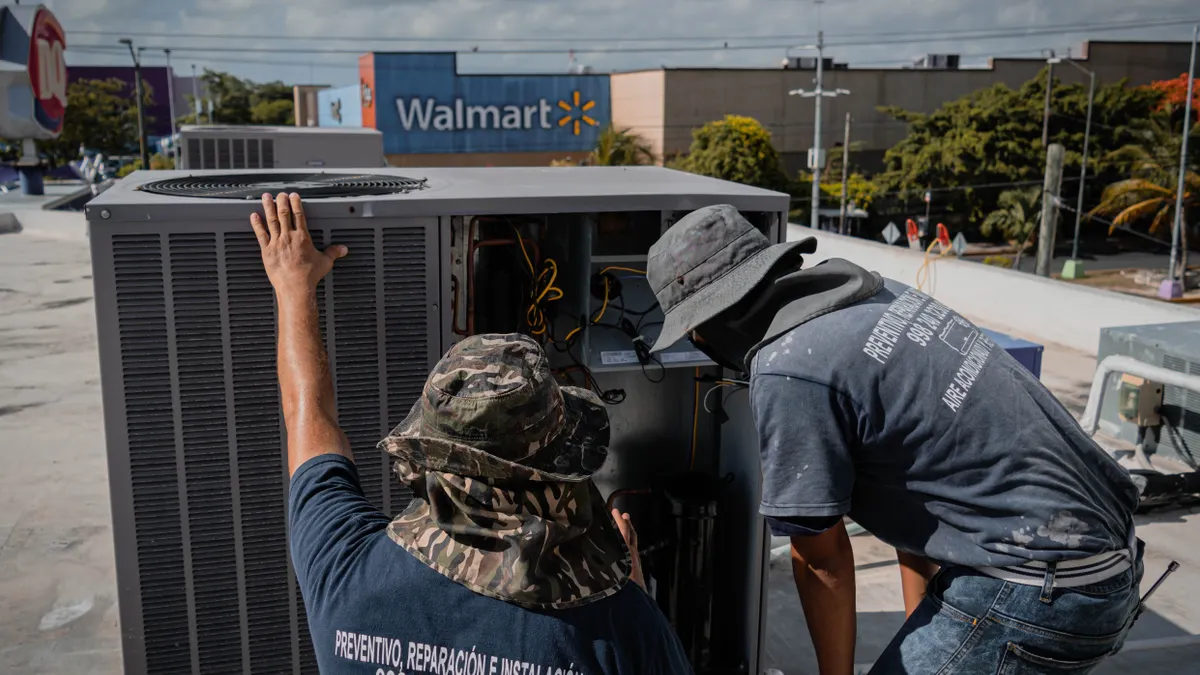
Replace it when repair starts buying time instead of comfort. That is the cleanest rule, and it saves people from spending money twice. A compressor, blower motor, control board, or coil repair can make sense on a newer system; a chain of repairs on an older one usually points to the wrong answer. The important question is not “Can it be fixed?” It is “How much useful life does that repair buy, and what does it do to the next 3 to 5 years of operating cost and risk?”
A replacement is usually the better call when the system has one or more of these problems:
- The compressor has failed on an older air conditioner or heat pump.
- The furnace heat exchanger is cracked or suspected to be cracked.
- The evaporator coil is leaking and the system is already beyond midlife.
- The blower motor, capacitor, contactor, and control board have become recurring expenses.
- Comfort is uneven even after basic maintenance.
- The equipment is so old that parts are harder to source or the refrigerant is being phased down.
There is a money side to this, but I do not need to pretend there is a fixed break-even point. Labor rates, access, emergency timing, and the exact failure all change the calculation. The better rule is this: if the repair is large, the system is old enough that another major part is likely to fail soon, and the home already has comfort issues, replacement deserves a serious look.
A repair makes more sense when the system is under roughly the first half of its expected service life, the failure is isolated, and the rest of the installation is sound. That last part matters. A new compressor on a duct system with leaks, a wrong-sized unit, or bad airflow can still leave you with hot rooms and high bills.
A replacement is also the cleaner option if the home is moving toward electrification. A modern heat pump can replace both air conditioning and most or all heating in many mild to moderate climates. That is not a universal answer. In colder regions, cold-climate heat pumps, backup heat, and electrical capacity all need to be reviewed before anyone signs a contract.
What a proper HVAC installation includes
A proper HVAC installation starts before anyone unloads the equipment. If the contractor gives you a quote without measuring the home, checking the duct system, and talking about load, that is a red flag. The equipment box is only part of the job. Installation quality determines whether the system runs close to its rated efficiency or wastes it through bad duct design, poor refrigerant charge, wrong airflow, or sloppy controls.
The process should include:
- A room-by-room load calculation, usually referenced as Manual J.
- Equipment selection matched to that load, usually referenced as Manual S.
- Duct design or verification, usually referenced as Manual D.
- Electrical review, including breaker size, disconnect, whip, and any needed panel work.
- Condensate drain planning so water has a clear path out.
- Refrigerant line set inspection or replacement if the old line set is contaminated, damaged, or undersized.
- Thermostat and control setup.
- Start-up checks, airflow verification, and refrigerant commissioning.
The most expensive mistake is oversizing. A larger system is not automatically better. An oversized air conditioner can cool the thermostat quickly, then shut off before it removes enough humidity. In humid climates that creates the classic complaint: “The house is cold but clammy.” A furnace that is too large can short-cycle, waste fuel, and leave temperature swings that people notice in bedrooms and corners of the home.
The second big mistake is replacing equipment without fixing duct problems. Duct leakage, crushed flex duct, undersized returns, and poor supply layout can cut comfort and efficiency even when the new unit is excellent on paper. A good installer will ask where the ducts run, whether rooms are starved for return air, and whether the attic or crawlspace is part of the problem.
If you want a simple benchmark for quality, ask how the contractor will verify performance after startup. The answer should involve measurements, not just “It’ll be fine.” If they cannot explain static pressure, temperature split, or airflow balancing in plain language, keep shopping.
For a general reference on sizing and performance standards, the Air Conditioning Contractors of America publishes manuals used across the trade, and ASHRAE publishes standards and guidance for system design and indoor comfort.
- ACCA: https://www.acca.org
- ASHRAE: https://www.ashrae.org
How much does HVAC replacement usually cost, and what drives the price?
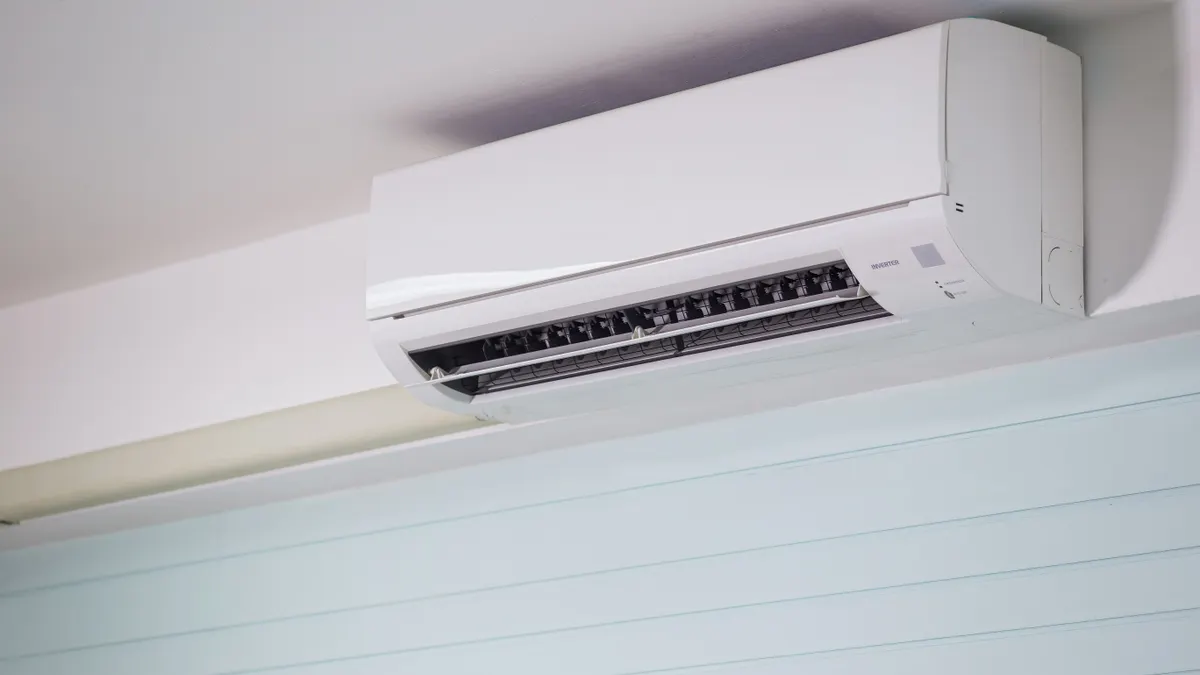
It usually costs far more to replace HVAC properly than people expect, and the quote changes for reasons that have nothing to do with the logo on the outdoor unit. The main drivers are system type, size, ductwork condition, access, electrical work, refrigerant line work, and local labor rates. A straight swap in an easy-access mechanical closet is one job; a full changeout that includes new ductwork, attic work, or a panel upgrade is another.
According to ENERGY STAR and the U.S. Department of Energy, proper installation and sizing can materially affect performance. A correctly sized system can also avoid the comfort problems that show up when a unit is installed too large or too small. In practice, that means 1 quote can hide 3 different scopes of work.
The biggest cost drivers are:
- System type: furnace and central AC, heat pump, ductless mini-split, packaged unit, or boiler plus separate cooling.
- Home size and load: larger homes usually need larger or multiple systems.
- Duct condition: repair, sealing, resizing, or full replacement changes the total fast.
- Electrical work: panel capacity, breakers, disconnects, and wire sizing can add significant labor.
- Refrigerant transition: if the project involves newer refrigerants or a matched system change, component choices matter.
- Installation difficulty: crawlspace access, attic height, roof access, or tight mechanical rooms increase labor.
A bargain quote often leaves out the hard parts. That can mean no duct correction, no real commissioning, or an equipment selection that looks cheap because it ignores the work needed to make it perform. The homeowner pays later in noise, poor comfort, or repeated service calls.
A more complete quote should spell out at least these items:
- Brand and model numbers
- Heating and cooling capacity
- Efficiency ratings, such as SEER2, EER2, HSPF2, or AFUE
- What is included in the line set
- Whether a new thermostat is included
- Whether permits are included
- Whether disposal of the old equipment is included
- What duct repairs, if any, are included
- Warranty terms for parts and labor
- Whether startup and balancing are included
The cheapest project is not always the least expensive over time. A system that is poorly sized or badly installed can cost more through higher utility bills, comfort complaints, and repairs than a slightly higher bid that includes actual design work. That is not marketing language. That is the difference between a changeout and an engineered install.
Which type of system makes sense for your home?
The right system is the one that fits your climate and the building, not the one that sounds newest. In a milder climate, a heat pump can be the cleanest answer because it handles heating and cooling with one system. In a colder climate, you need to look closely at low-temperature performance, backup heat, and electrical service. In a home with good ducts and a traditional gas setup, a furnace and central AC may still be the most practical path. In a house with no ducts or rooms that are hard to condition, ductless mini-splits can solve problems that central systems keep missing.
For HVAC installation and replacement decisions, the same rule keeps showing up: match the system to the building. A 2024 heat pump quote in a mild climate can look very different from a 2024 gas furnace replacement in a cold one.
Here is the plain version:
- Gas furnace plus central AC: Good when gas is available, the ductwork is decent, and the home needs strong winter heat.
- Heat pump: Good when you want one system for both seasons, especially in moderate climates or where electrification is a priority.
- Ductless mini-split: Good for additions, bonus rooms, older homes without ducts, or rooms that never stay comfortable.
- Packaged unit: Good when space is tight and the equipment needs to sit outside or on a roof.
- Boiler with separate cooling: Good where hydronic heat already exists and the heating system is worth preserving.
The strongest option is not always the one with the highest efficiency rating. A high-SEER2 system in a bad duct layout can still disappoint. A mid-range system installed correctly often beats a premium system installed poorly. That is the trade-off buyers miss when they focus only on the brochure.
The main drawback of heat pumps is that they require more careful selection in cold weather and may need backup heat or panel upgrades. The main drawback of ductless systems is visual impact and room-by-room planning; they are excellent when matched to the use case, but less elegant if the goal is whole-home conditioning with hidden equipment. The main drawback of a furnace-and-AC combination is dependence on two separate systems and more equipment to maintain.
If the home is in a climate with long, humid summers and moderate winters, a properly sized heat pump often deserves a serious first look. If the home sees long heating seasons and gas is inexpensive and available, a gas furnace can still be the practical choice. The right answer depends on how the house loses heat, how the ducts are built, and whether the electrical panel can support the project.
The honest side-by-side
The best choice depends on what problem you are actually trying to solve. A central split system wins for whole-home replacement when the ducts are good and the goal is balanced comfort across many rooms. A ductless or hybrid setup wins when the problem is specific rooms, additions, or a house without usable ducts.
| Criteria | Central split system | Ductless / hybrid setup | Winner for [condition] |
|---|---|---|---|
| Whole-home uniformity | Usually better when ducts are properly designed and balanced | Better room-by-room control, not always as even across the whole house | Central split system for whole-house comfort |
| Homes without existing ducts | Usually expensive because ducts must be added | Works without duct runs in many cases | Ductless / hybrid setup for ductless homes |
| Installation complexity | Higher if duct repairs or attic work are needed | Often simpler for one zone, but multiple heads add planning | Ductless / hybrid setup for smaller retrofits |
| Humidity control | Can be excellent if sized correctly and run long enough | Can be good, but depends on system design and runtime | Central split system in humid climates |
| Temperature zoning | Possible, but zoning can be tricky and costly | Natural fit for separate rooms or zones | Ductless / hybrid setup for uneven homes |
| Appearance | Hidden indoors except for vents and grilles | Indoor heads are visible | Central split system for a hidden look |
| Reliance on duct condition | Very high | Low or none | Ductless / hybrid setup when ducts are poor |
| Best use of existing furnace equipment | Pairs naturally with a furnace and existing ductwork | Often replaces the need for a central furnace in some zones | Central split system when preserving ducts and furnace |
| Best fit for additions or converted spaces | Can be overbuilt for a single space | Often the cleanest solution | Ductless / hybrid setup for additions |
| Failure impact if one component goes down | One failure can affect the whole home | One zone may keep operating if others fail | Ductless / hybrid setup for risk spreading |
The central split system wins when the house already has a decent duct network and the homeowner wants straightforward whole-home comfort with minimal visible equipment. Its weakness is that it exposes every duct flaw in the building. If the return air is undersized, the attic ducts leak, or the house has closed-off rooms, the new equipment will not magically fix that.
The ductless or hybrid setup wins when the building itself is the problem. Older homes, additions, finished basements, and converted garages often do better with targeted equipment. The downside is aesthetics, room-by-room planning, and sometimes a more visible indoor footprint. A multi-head ductless setup can also become expensive and complicated if someone tries to use it as a substitute for a whole-house design that should have been ducted.
The most common mistake is using the wrong system to avoid a duct problem. That can happen both ways: forcing a central system into a house with bad ducts, or scattering mini-splits through a house that really needed a proper load calculation and duct correction. The equipment choice should follow the building, not the salesman’s favorite product.
What questions should you ask before you sign a contract?
Ask for the load calculation, the equipment model numbers, and the installation scope before you sign anything. Those three items tell you whether the quote is real or just a price. If the contractor cannot explain why the system size was chosen, what happens to the ducts, and how the startup will be commissioned, keep shopping.
These questions matter most:
- What Manual J load calculation did you use?
- Are you replacing or verifying the ducts?
- Will you measure static pressure and airflow after installation?
- Is the refrigerant line set being replaced, flushed, or reused?
- Is the permit included?
- What parts and labor are covered by warranty?
- Will you handle thermostat setup and controls?
- If the home needs an electrical upgrade, is that in the quote or separate?
- What temperature and humidity targets should I expect in this climate?
The answer you want is specific. “We size by square footage” is not enough. Square footage is a rough filter, not a design method. Two homes with the same floor area can have wildly different loads because of insulation, window area, orientation, shading, air leakage, ceiling height, and whether the attic is vented or conditioned.
You should also ask what the job does not include. A lot of poor experiences start when the homeowner thinks duct sealing, new registers, a thermostat, or disposal of the old unit were part of the price and finds out later they were not. Clear exclusions are not a bad sign. Hidden exclusions are.
If the project includes gas work, a combustion safety check matters. If the project includes a heat pump in a cold region, ask how auxiliary heat is staged and what the backup plan is during the coldest weather. If the house has moisture issues, ask how the new system will handle latent load, not just dry-bulb temperature. Those are not fancy details. They are the difference between a comfortable home and one that still feels wrong after a big purchase.
What does a bad HVAC job look like?
A bad HVAC job usually looks normal at first and then starts failing in the details. The system may cool or heat, but the problems show up as uneven rooms, noisy starts and stops, high bills, weak airflow, or condensation where it should not exist. A bad install can also be physically obvious: sloppy sheet metal, uninsulated lines, sagging flex duct, disconnected drains, or a thermostat mounted in a bad spot.
The warning signs include:
- No load calculation
- No duct inspection
- Equipment that is clearly oversized for the house
- Supply registers that blast in some rooms and barely move air in others
- Short cycling
- Constant thermostat battles
- Water leaks from the air handler or drain line
- A loud outdoor unit that should be quieter for its size
- Ice on the coil in cooling season
- Frequent service calls soon after startup
The worst part of a bad job is that the equipment itself may not be the real problem. A homeowner can pay for a premium furnace, a high-efficiency air conditioner, or a modern heat pump and still end up with the same discomfort because the duct system, airflow, or controls were never corrected. That is why commissioning matters. A new system should not be treated as a drop-in appliance; a homeowner should consult a qualified HVAC professional and follow guidance from ACCA or ASHRAE before relying on it as a simple swap.
There are also cases where the “bad job” is really a bad fit. If the installed equipment is technically correct but wrong for the climate or house, the result is still disappointment. A very efficient system can underperform if the home has major air leakage, poor insulation, or duct runs in extreme spaces. No HVAC system can fully compensate for a building shell that leaks air freely.
If a contractor dismisses performance concerns with “that’s normal,” ask for measurements. Normal has numbers behind it. Static pressure, temperature split, refrigerant charge, and airflow tell the story. If no one measures them, no one knows whether the installation actually works.
When does replacement make more sense than any other option?
Replacement makes the most sense when the existing system has crossed from repairable to disruptive. If the equipment is old, the ducts are suspect, comfort is uneven, and the home is already due for another major component, the smarter move is usually to start fresh with a design that fits the house. That is especially true if the current system uses outdated refrigerant, struggles with humidity, or has become expensive in repeat service calls.
It also makes sense when the homeowner is planning a major change in the house: an addition, a finished basement, new insulation, new windows, or a switch away from gas. Those changes affect load, and load affects equipment choice. Replacing HVAC at the same time as a building change often prevents a second round of work later.
There are real situations where replacement is the wrong call:
- The system is young and the failure is minor.
- The ductwork is in such poor shape that the quote is really a duct project in disguise.
- The electrical service cannot support the new equipment without major upgrades, and the homeowner is not ready for that scope.
- The house has serious envelope problems that should be corrected before equipment is upsized.
- The home is a short-term hold and the repair is clearly cheaper and sufficient.
The best replacement project is the one that solves the whole problem, not just the symptom. That might mean new ducts. It might mean a heat pump instead of another furnace/AC combo. It might mean keeping the existing furnace and replacing only the cooling side if that is the only broken piece and the rest of the system is still solid. The right answer is specific to the home, but the process should always be the same: measure first, size correctly, install cleanly, and verify performance after startup.
The verdict: which option to choose and why
Choose a central split system if the home already has usable ductwork, you want hidden equipment, and your main goal is whole-house comfort with straightforward maintenance. Choose a ductless or hybrid setup if the house has no ducts, the ducts are poor, you need targeted comfort in specific rooms, or you want to avoid major duct reconstruction. Neither if the contractor will not perform a load calculation, refuses to discuss duct condition, or treats square footage as the only sizing method.
What should a homeowner do next?
Get two or three detailed quotes and compare scope, not just price. The best comparison is not “Which bidder is cheaper?” It is “Which bidder measured the house, addressed the ducts, specified the equipment clearly, and explained the trade-offs in writing?” That approach takes more time up front, but it is the quickest path to a system that actually fits the home.
A strong quote usually comes with specific equipment data, a clear installation scope, and a realistic explanation of what will improve comfort and what will not. A weak quote leans on brand names, vague promises, and a price that looks attractive because it quietly leaves out the work that matters. For a project this expensive and disruptive, that difference is the whole ballgame.
If the current system is limping along, do not wait for the hottest week or the coldest night to make the call. Replacement in a planned window is almost always easier than replacement after a breakdown.
Drafted with AI; not yet reviewed by a person.