Last updated: October 21, 2026
Quick Answer: choose the contractor who can verify the load, document the scope, and give you a written price tied to exact equipment and warranty terms. Choosing the right HVAC contractor for installation comes down to one thing: can they design and install the system you need without guessing? A good HVAC contractor will verify the load, document the scope, carry the right license and insurance, and stand behind the warranty in writing.
If your goal is a clean installation, not a cheap surprise, start with the contractor’s paperwork and measurements. The wrong choice often shows up months later as uneven rooms, high bills, short cycling, or a warranty dispute. That is why this guide on how to choose an HVAC contractor for installation focuses on the parts that actually predict a solid install: scope quality, documentation, and measurement.
What a good HVAC contractor should prove before the job starts
A good HVAC contractor should prove they can size the system, explain the scope, and document the work before you sign anything. Those three things matter more than a polished sales pitch or a low number on a quote.
Start with the basics: ask for the contractor’s license, proof of insurance, and a written estimate. In many states, the license is the first sign that the business is authorized to perform the work, while insurance helps protect you if someone is injured or property is damaged during the job. If the contractor hesitates to provide either, stop there.
Then ask how they size equipment. For a proper installation, the contractor should not guess from square footage alone. They should discuss a Manual J load calculation, which is the standard residential method used to estimate heating and cooling needs. A real answer usually includes details like insulation levels, window area, orientation, ceiling height, and local climate. If the contractor says they always install a 3-ton system for this size house, that is a warning sign.
A strong contractor also explains what is included in the quote. That means equipment model or series, labor, disposal, refrigerant handling, startup, and any ductwork changes. A vague quote that says only “new HVAC system” leaves too much room for change orders.
This is the point where many generic articles go wrong, and it is worth checking a local professional or a recognized sizing standard before you decide. They do not all give equal guidance. A detailed bid from a contractor who measured the home is worth more than a cheaper line item from someone who never looked at the ducts. For background on why load calculations matter, see the ACCA’s Manual J guidance and the U.S. Department of Energy’s HVAC information.
How do I compare HVAC quotes?
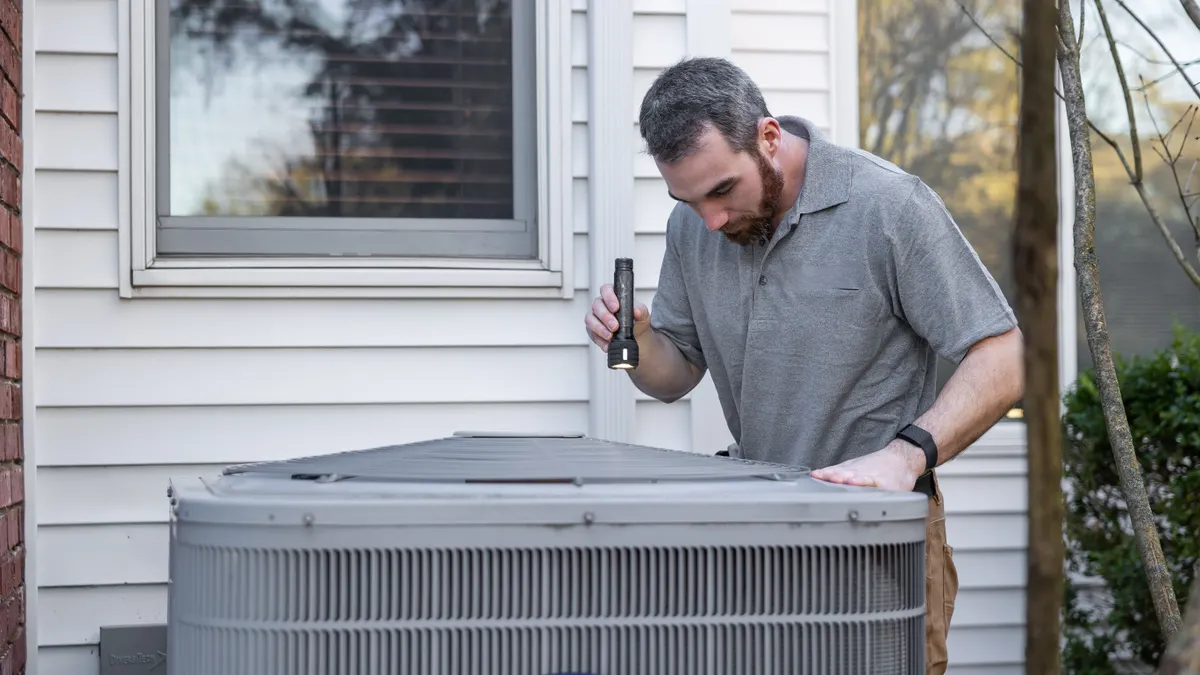
You compare HVAC quotes by comparing scope, not just price. The quote that lists the exact equipment, installation details, and warranty terms is usually more useful than the lowest number on the page.
Read each quote line by line and look for four items. First, the system size and equipment type. Second, whether the contractor is replacing only the indoor and outdoor units or also changing duct transitions, thermostat wiring, condensate drain work, or refrigerant line sets. Third, whether the quote states that a Manual J calculation was done. Fourth, whether labor and parts warranties are named separately.
A quote should also say what is excluded. If one contractor includes new pads, disconnects, and thermostat setup while another leaves those as extras, the lower price may not be the lower cost. Ask for the same scope in writing so you are not comparing a full installation to a bare minimum.
The cheapest bid is not always the worst, but a low number without details often means something was skipped. Common omissions include duct sealing, proper commissioning, airflow balancing, and startup checks. Those are not decorative extras. Poor airflow can leave rooms uncomfortable even when the equipment is technically new.
A useful way to compare quotes is to make a short checklist with the same headings for each contractor:
- License and insurance provided
- Manual J mentioned in writing
- Exact model numbers listed
- Scope of labor clearly described
- Warranty terms written out
- Timeline and payment schedule included
If one contractor refuses to put the scope in writing, that quote should fall to the bottom of the pile, no matter how friendly the salesperson is. Paper is what protects you when the job changes.
A good written estimate should also name any special conditions, such as crawlspace access, attic clearance, or electrical upgrades needed for the new equipment. Those site conditions affect price and installation time. If your home has tight attic access or older ductwork, expect the quote to reflect that reality instead of pretending every house is the same. For a broader planning checklist, see the HVAC installation and replacement guide.
Should a contractor do a load calculation?
Yes, a contractor should do a load calculation, and for most installations that should be a deal-breaker if they do not. Manual J is the standard method used to estimate how much heating and cooling a specific home actually needs.
A load calculation is not the same as using the old system’s tonnage or matching the new equipment to square footage alone. Two homes with the same floor area can need very different equipment because of insulation, air leakage, window size, shading, ceiling height, and local weather. In a hot, humid area, moisture control matters too. In a cold climate, heat loss through the building shell matters more.
A proper Manual J does more than produce a number. It creates a record of how the contractor sized the system. That record is useful if you ever need to question an oversized or undersized installation later. If a contractor cannot show the inputs they used, the calculation may be little more than a guess with a computer on top of it.
This matters because oversizing and undersizing each cause different problems. An oversized system can cycle on and off too quickly, which can hurt humidity control and wear components harder than necessary. An undersized system may run too long, struggle on the hottest or coldest days, and never quite bring the space where you want it. Neither outcome is a good value, even if the equipment itself is brand-name.
A contractor who does this well will usually ask for more than a walk-through. Expect questions about attic insulation, window count, shaded walls, door leakage, and whether rooms get too hot or too cold now. That is a good sign. It means the contractor is sizing the system to the building, not to a habit.
The trade-off is time. A contractor who measures properly may take longer to quote the job than one who fires off a number from the truck. That delay is usually worth it. What you are buying is not just metal and refrigerant; you are buying the right size for your house and your climate. For more on load sizing, see the U.S. Department of Energy and ACCA guidance on Manual J load calculations.
What license, insurance, and warranty details matter most?

The license, insurance, and warranty details matter most when they are current, specific, and written down. Those documents tell you whether the contractor is authorized to work, protected against basic jobsite risks, and willing to stand behind the install.
Ask for the license number and verify that the name on the license matches the business name on the estimate or contract. Do not assume a trade name on a truck equals a licensed entity. If the contractor uses a subcontractor for any part of the work, ask who is actually responsible for the installation and warranty follow-up.
Insurance should include at least the kind of coverage that protects against jobsite damage or injury. You do not need a lecture; you need confirmation that the business is insured and that the policy is active. If the contractor cannot provide that information, the risk lands on you.
Warranty terms deserve close reading. A strong quote separates manufacturer warranty from contractor labor warranty. The manufacturer warranty covers equipment defects; the contractor labor warranty covers workmanship and installation-related problems. Those are not the same thing, and a homeowner who confuses them can end up arguing with the wrong party.
Read the fine print on warranty registration, maintenance requirements, and exclusions. Some warranties require regular service or specific registration steps within a set period. If the contractor says “the warranty is full coverage” but cannot explain those conditions, that is not enough.
This is also where the bad jobs reveal themselves. A sloppy installation often shows up later as leaking condensate, noise, short cycling, or poor airflow. If a contractor is vague about what their labor warranty covers, you may have trouble getting those issues fixed without another bill.
A simple rule helps: if the warranty terms are too fuzzy to explain in plain language, they are too fuzzy to trust. For more on warranty basics and contractor licensing, see your state licensing board and the Federal Trade Commission’s guidance on home improvement contracts.
What should a written estimate include?
A written estimate should include the exact equipment, the full scope of work, the timeline, and the terms that determine the final price. If it does not, the estimate is too thin to protect you.
Look for these items in plain text:
- Equipment brand, model number, and size
- Whether the quote includes indoor and outdoor components
- Duct modifications, if any
- Thermostat replacement or setup
- Refrigerant line set replacement, if needed
- Electrical work, drain work, and condensate handling
- Startup, testing, and commissioning
- Cleanup and disposal of old equipment
- Payment schedule and due dates
- Warranty terms for parts and labor
If you see only a lump sum and one or two vague sentences, ask for a revised quote. A contractor who is organized enough to install a system should be organized enough to describe the work on paper.
The estimate should also identify what could change the price. Common examples include hidden duct damage, unexpected code-related corrections, or access issues in attics, closets, or crawlspaces. That is not a red flag by itself. The red flag is a contractor who claims nothing can ever change and then adds charges later.
In many homes, the difference between a good install and a mediocre one is not the equipment. It is the details around it: airflow, drainage, clearances, and controls. A written estimate should reflect those details. If the quote ignores them, the installation will likely ignore them too. For a consumer checklist, the FTC’s home improvement guidance is a useful second opinion.
What bad HVAC installation signs should make you walk away?
Bad HVAC installation signs should make you walk away when the contractor cannot explain sizing, hides scope, or pressures you to sign before the paperwork is clear. Those are signs of a job that may cost more later than it saves today.
The most common warning signs are easy to spot. No Manual J. No written scope. No license or insurance details. A quote that is much lower than every other one without any explanation. A salesperson who pushes a same-day decision. A contractor who says the existing system size is “good enough” without measuring anything. Any one of those should slow the process down; several together should end it.
Also watch for overconfident promises. “This will fix every comfort issue” is not a technical plan. Comfort problems can come from duct design, insulation, air leakage, or thermostat placement, not just the equipment itself. A trustworthy contractor will say what the new system can solve and what it cannot.
You should also be cautious if the contractor refuses to discuss what happens after installation. Proper startup, airflow checks, and homeowner instructions matter. If the company’s interest ends when the invoice is paid, that is a bad sign.
A bad installation often shows itself in the first few weeks: uneven temperatures, noisy startup, repeated cycling, rooms that never feel right, or water where it should not be. Those are not “just getting used to it” issues. They often point back to the original scope or setup.
The right decision is not always the cheapest or the fastest. It is the contractor who can show their work before the work starts.
For a broader look at planning the project itself, the hub on HVAC installation and replacement can sit alongside this guide.
How do I make the final call on one contractor?
Once the quotes are in hand, you make the final call on the contractor who gives the clearest scope, the strongest documentation, and the best sizing logic. That is usually the company that explains its work without pushing you into guesswork.
At this stage, compare the top two or three options on three questions. Did they measure the home or discuss the Manual J result? Did they put the scope in writing with enough detail to hold them to it? Did they clearly explain warranty terms, exclusions, and who to call if something goes wrong?
If one contractor is slightly higher priced but provides a detailed estimate, named equipment, and a plain explanation of the install, that may be the safer choice. If another quote is cheaper but vague, that savings can disappear the first time the system needs correction. A few hundred dollars saved on paper can turn into a comfort problem, a service call, or a warranty fight later.
The contractor who is right for you is not necessarily the one with the biggest showroom or the slickest sales pitch. It is the one who treats your home like a measured project instead of a generic box. That matters even more in homes with older ductwork, unusual layouts, or climate demands that put stress on the system.
One practical test helps. Ask the contractor to walk you through the installation in 2 or 3 minutes: what they are replacing, why the size is what it is, and what the warranty covers. If the answer is clear, the paperwork is probably clear too. If the answer turns vague, the contract likely will be as well.
Key takeaways
- Start with the contractor’s paperwork, not the price tag.
- A real Manual J is more useful than a guess based on square footage.
- The best quote names equipment, labor, exclusions, and warranty terms.
- Cheap bids are risky when the scope is thin or the sizing is sloppy.
- The contractor who documents the job best is usually the safer bet.
What should i ask an hvac contractor?
Ask the contractor how they sized the system, what is included in the written estimate, and how the warranty works. Those three questions reveal whether the company measures the job or just sells equipment. If the answers are vague, ask for the license, insurance, and a revised quote before you move forward.
How do i compare hvac quotes?
Compare HVAC quotes by scope, not by total price alone. Check whether each quote lists the same equipment, labor, duct changes, startup work, and warranty terms. A quote that includes a Manual J and exact model numbers is usually easier to trust than a cheaper one that leaves key items out.
Should a contractor do a load calculation?
Yes, a contractor should do a load calculation for an installation, and Manual J is the standard method. It helps size the system for the home’s insulation, windows, layout, and climate instead of relying on guesswork. If a contractor skips it, the system may be oversized or undersized from day one.
Drafted with AI; not yet reviewed by a person.