Picture this: a chilly evening, you crank up the thermostat, yet that one exterior wall in your home just refuses to warm up. Sound familiar? Many homeowners face this frustrating problem, struggling to keep their homes comfortable, especially during the cold months. This post explores the ins and outs of heating help the wall, providing practical solutions and expert advice to ensure your home stays cozy and energy-efficient. You’ll gain a deeper understanding of the factors contributing to wall temperature variations, and learn effective strategies to address them, enhancing your comfort and potentially saving on energy bills.
Key Takeaways
- Learn about the main factors impacting wall temperatures in your home.
- Discover several insulation solutions to improve wall heat retention.
- Explore various strategies to mitigate heat loss through walls.
- Understand the impact of windows and doors on wall temperature regulation.
- Find out how to identify and address air leaks around walls.
- Gain knowledge on the benefits of professional inspections and solutions.
Unveiling the Mysteries of Wall Temperature
Every home, regardless of its age or construction, experiences some degree of temperature variation across its surfaces. This is a natural consequence of the interplay between indoor and outdoor climates. However, when these variations become significant, they can lead to discomfort, increased energy consumption, and, in some cases, potential structural issues. This section will delve into the underlying causes of uneven wall temperatures, equipping you with the information needed to pinpoint the source of the problem and implement appropriate solutions. By exploring this topic, you will improve comfort, reduce your heating expenses and even the lifetime of your home.
The Science Behind Heat Transfer
Heat transfer, in simple terms, is the movement of thermal energy from a warmer area to a cooler area. This process happens through three primary mechanisms: conduction, convection, and radiation. In the context of walls, heat often moves from the warm interior of your home towards the colder exterior. The rate at which this happens depends heavily on the materials used in the wall’s construction and the presence of any insulation. Understanding these basic principles is the initial step towards effective heating help the wall strategies. Conduction is the direct transfer of heat through a material, with denser materials generally conducting heat more efficiently. Convection involves the movement of heat through fluids (like air), and radiation is the transfer of heat through electromagnetic waves. All three processes can affect your wall’s performance and impact how you heating help the wall.
- Conduction in Wall Materials: Different construction materials conduct heat at different rates. For instance, brick and concrete tend to be more conductive than wood or insulated drywall. This means that a wall constructed from brick may lose heat to the outside more quickly than a wall with wooden studs and insulation, therefore decreasing your heating help the wall ability.
- Convection and Air Leaks: Air leaks within wall cavities can significantly contribute to heat loss through convection. Warm air from inside your home can leak into the wall space, where it cools and escapes to the outside. This constant movement of air dramatically reduces the wall’s ability to retain heat, creating uncomfortable cold spots and increasing energy bills.
- Radiation and Heat Loss: Even though radiation plays a role, the effects are less significant compared to conduction and convection in walls. Radiant heat transfer occurs from warm surfaces to cooler surfaces, so a warm interior wall will radiate some heat to a cooler exterior surface.
The rate of heat transfer through a material can be quantified using its thermal conductivity, a measure of how well it conducts heat. This value is usually expressed in BTU/hr-ft-°F. Materials with low thermal conductivity are desirable in construction because they act as effective insulators, slowing down heat transfer and helping to maintain a comfortable indoor temperature. Your ability to properly heating help the wall may require specific building materials.
To reduce convection-related heat loss, it is vital to seal any cracks, gaps, or openings in your walls. This can involve caulking around windows and doors, sealing gaps around electrical outlets and pipes, and ensuring proper insulation within wall cavities. By minimizing air leaks, you’ll see a reduction in the cold spots in your home and an increase in your heating help the wall capabilities.
While the impact of radiation is less compared to conduction and convection, it still impacts the overall temperature distribution within your home. Applying insulation effectively addresses the main avenues of heat transfer (conduction and convection), resulting in improved thermal performance. This is one step in the process of heating help the wall, as it focuses on reducing energy loss from radiating surfaces.
Factors Influencing Wall Temperature
Many elements can affect the temperature of your walls. These range from external weather conditions to the construction of your home. Understanding these factors is a key part of your ability to heating help the wall. This knowledge is important for figuring out the best solutions for a warm home.
- Exterior Weather Conditions: The temperature outside plays a major role in your wall’s temperature. Colder outdoor temperatures will cause heat to move from the warmer interior to the colder exterior more rapidly. Wind also affects the rate of heat loss. Windy conditions can increase convective heat loss, especially if there are any air leaks in the walls.
- Wall Construction and Materials: The materials used to construct your walls have a great impact on their thermal properties. Walls built with materials that are poor insulators, such as brick or concrete without insulation, will have a higher rate of heat loss. The presence and quality of insulation inside the walls is a key factor.
- Insulation Type and Condition: The type, quality, and condition of your insulation have a big impact on how well your walls insulate. Different types of insulation (e.g., fiberglass, cellulose, spray foam) have different thermal resistance values (R-values). Higher R-values indicate better insulation and lower heat transfer.
The materials, as well as the design of your home, all influence how much your walls are affected by the weather outside. Proper insulation is essential for mitigating the impact of weather conditions. Weather conditions always affect a building, so it’s a vital part of finding the best way to heating help the wall.
Studs, sheathing, and exterior cladding all contribute to the thermal performance of a wall. The construction method (e.g., the way the studs are arranged) can also have an impact. Consider consulting with a building professional to assess the thermal performance of your walls and to determine if there are any improvements that can be made to improve your ability to heating help the wall.
Over time, insulation can settle, compress, or be damaged by moisture or pests, decreasing its effectiveness. Regular inspections of your insulation are advisable to determine if it needs to be replaced or improved to better heating help the wall. The choice of insulation and its condition are vital in maintaining a warm, comfortable home.
Diagnosing Wall Temperature Issues
Before you begin improving the temperature of your walls, you should figure out the problem. This can be achieved through different methods, ranging from basic visual inspections to advanced tools. Determining the reason for cold walls is the initial step to make sure you know how to heating help the wall. This also guarantees that your solutions are targeted and efficient.
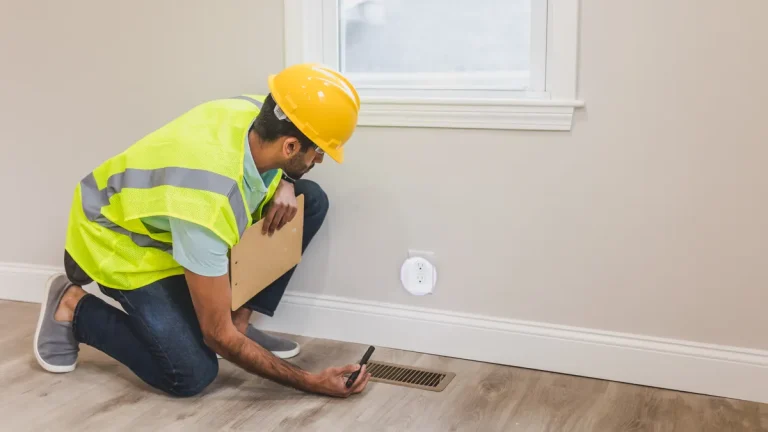
- Visual Inspection: Sometimes, the causes of cold walls are quite apparent. Inspect your walls for any signs of damage or visible cracks, gaps, or areas where insulation may be missing or compressed. Check the areas around windows, doors, electrical outlets, and plumbing pipes, as these are common areas for air leaks.
- Infrared Thermography: Infrared cameras can identify areas of heat loss that are not visible to the naked eye. This technology measures surface temperatures and displays them as a color-coded image, allowing you to see where heat is escaping from your walls. These cameras are especially useful for spotting areas with missing or damaged insulation.
- Air Leakage Testing: Air leakage tests, like the blower door test, are used to measure the amount of air that is escaping from your home. This test involves temporarily sealing your home and using a powerful fan to depressurize it, causing air to be drawn in through any cracks, gaps, or openings in your walls. This can help identify the source and extent of air leaks.
Use your hands to feel the walls. Are there any cold spots? Compare the temperature of different walls in your home, and pay close attention to exterior walls vs. interior walls. While carrying out the visual inspection, also check for any signs of water damage, which could indicate problems with moisture control and affect the wall’s insulation. Thorough inspections will help you determine the problems and find the best ways to heating help the wall in your home.
A professional energy auditor can carry out an infrared inspection for you. They will be able to identify the locations of air leaks, areas of insufficient insulation, and other thermal issues. This information will help you prioritize your heating help the wall efforts, making the process more effective. Infrared thermography provides valuable data, enabling you to make informed decisions about how to improve the comfort and energy efficiency of your home.
A professional energy auditor or weatherization contractor usually carries out air leakage tests. They may use smoke pens or thermal cameras to locate the source of the leaks. Sealing these leaks with caulk, weatherstripping, or other materials is a good way of improving your home’s thermal performance. Air leakage tests, combined with other diagnostics, offer an important component in the efforts to heating help the wall and improving your home’s energy efficiency.
Effective Insulation Solutions
Insulation is a crucial component in maintaining consistent temperatures and reducing heat loss in your home. The right insulation solutions can significantly improve the thermal performance of your walls, making them more effective at resisting both heat loss in the winter and heat gain in the summer. Choosing the best type of insulation, as well as installing it properly, are very important to heating help the wall effectively.
Types of Insulation for Walls
Many types of insulation materials are available, each with unique characteristics and appropriate applications. Choosing the most suitable insulation depends on your wall type, budget, and the level of performance you are trying to achieve. Understanding the benefits of each type will allow you to make the most informed decisions about heating help the wall in your home.
- Fiberglass Insulation: Fiberglass is one of the most commonly used insulation materials due to its affordability and availability. It comes in batts, rolls, and loose-fill forms. It is made from fine glass fibers, and effectively traps air.
- Cellulose Insulation: Cellulose insulation is made from recycled paper products, treated to be fire-resistant and pest-resistant. It is available in loose-fill and dense-pack forms. Its high density offers excellent thermal resistance.
- Spray Foam Insulation: Spray foam insulation provides an air-tight barrier and excellent thermal performance. It comes in two primary types: closed-cell and open-cell. It is sprayed onto walls and expands to fill all gaps and spaces, creating a complete seal.
Fiberglass is a good choice for new construction, as well as for retrofitting existing walls. However, it is essential that it be installed correctly to prevent compression or gaps, as this can reduce its effectiveness. Also, it is very important to use the proper protective gear while handling fiberglass because it may cause irritation to skin, eyes, and lungs. Because it’s a good way to heating help the wall, fiberglass is popular for homes.
Cellulose is very good at filling irregular spaces and hard-to-reach areas, so it’s a good choice for retrofitting existing walls and for homes with more complex construction. It is environmentally friendly and offers excellent thermal and acoustic performance. Dense-pack cellulose is especially effective, with minimal air movement and increased efficiency in the efforts to heating help the wall.
Spray foam insulation is a good choice for both new construction and retrofitting. Its air-sealing capabilities help to reduce air leaks, which can substantially decrease energy bills. Closed-cell spray foam also provides a moisture barrier. Spray foam insulation can be more expensive than other options, but the benefits in terms of energy efficiency and comfort often make it a worthwhile investment. This makes it a great choice for heating help the wall, providing a high-performance solution.
Insulation Installation Tips
The effectiveness of insulation hinges on proper installation. Even the best insulation materials will not perform if they are installed improperly. Improper installation can result in gaps, compression, and other issues that degrade performance. Following these guidelines, as well as hiring professional installers, can optimize your efforts to heating help the wall.
- Preparation: Before installing any type of insulation, make sure the walls are clean, dry, and free of any obstructions. If you are retrofitting, make sure any existing insulation is removed, especially if it is damaged or moldy. Repair any damage, such as water leaks, before installing insulation.
- Installation Techniques: Install fiberglass batts and rolls so they fit snugly between studs without being compressed. Use staples or other fasteners to secure the insulation in place. For loose-fill insulation, make sure to achieve the recommended depth and density. Follow the manufacturer’s directions for spray foam insulation.
- Air Sealing: Before installing insulation, air seal all cracks, gaps, and openings in your walls. This can be achieved by using caulk, weatherstripping, or foam sealant. Focus on sealing around windows, doors, electrical outlets, and plumbing pipes. Air sealing helps to reduce convective heat loss, which is important for any heating help the wall strategies.
Make sure to have the right safety gear, including gloves, eye protection, and a dust mask. Following proper safety measures is important when working with insulation materials. Proper preparation is very important for making sure your heating help the wall strategy is effective.
When installing insulation in walls, it’s very important to seal any gaps, cracks, or openings with caulk or foam sealant. This minimizes air leaks and helps to maximize the effectiveness of your insulation. Correct installation is important to guarantee your heating help the wall efforts are a success.
Air sealing and proper insulation work together to provide optimal thermal performance. Air sealing prevents air leaks, while insulation provides a barrier to heat transfer. The combination of these measures can improve your home’s comfort and energy efficiency. Always seal air leaks before adding insulation to maximize the impact on your heating help the wall campaign.
Mitigating Heat Loss Through Walls
Beyond insulation, various additional strategies can help mitigate heat loss through walls and increase your home’s energy efficiency. These methods target specific areas where heat loss is often significant, providing a comprehensive approach to improve your home’s thermal performance and assist you in heating help the wall. From weatherization to improving the quality of the windows and doors, each method will contribute to a more comfortable and energy-efficient home.
Improving Air Sealing
Air sealing is one of the most impactful methods to reduce heat loss through walls. Even well-insulated walls can lose a lot of heat if air can pass through cracks and gaps. Proper air sealing reduces convective heat loss and prevents drafts, helping you to heating help the wall.
- Caulking and Sealing: Caulk and sealant are used to seal cracks and gaps around windows, doors, and other openings. Caulk is usually used for smaller gaps, while foam sealant may be better for larger ones. These materials create a tight seal that prevents air from passing through.
- Weatherstripping: Weatherstripping is used to seal gaps around doors and windows. It comes in several different types. Weatherstripping forms a seal when the door or window closes. This helps to prevent air leakage.
- Sealing Around Utilities: Electrical outlets, plumbing pipes, and other utilities that pass through walls are frequent locations for air leaks. Use caulk, foam sealant, or other appropriate materials to seal these openings. This stops air from leaking from your home.
Before applying caulk or sealant, clean the surfaces and remove any old caulk. Make sure to choose caulk or sealant that is appropriate for the application. For example, some caulk is better suited for exterior use. Using the correct materials and taking the time to thoroughly seal all openings is important for effective air sealing, which is the most effective way to heating help the wall.
Regularly inspect your weatherstripping for damage or wear and tear. Replace it when needed to maintain an effective air seal. Proper weatherstripping is essential for reducing drafts and improving energy efficiency, which is a great way to heating help the wall.
Make sure all sealing materials you use are fire-resistant. Take the time to meticulously seal all penetrations to maximize the impact on your energy efficiency. This is a vital part of your heating help the wall strategy, increasing comfort while decreasing energy bills.
Addressing Window and Door Considerations
Windows and doors are areas where significant heat loss can occur. These areas are vulnerable to air leaks and have less insulation compared to the rest of the walls. It is important to improve the thermal performance of windows and doors to increase your chances of heating help the wall.
- Window Upgrades: If your windows are old or have single-pane glass, consider replacing them with energy-efficient windows. Double-pane or triple-pane windows offer better insulation and can reduce heat loss. Look for windows with low-E coatings, which reflect heat back into the house.
- Door Weatherization: Make sure your doors are properly sealed with weatherstripping, and thresholds are in good condition. Install a door sweep at the bottom of the door to prevent air from passing beneath. This is essential for preventing drafts and increasing energy efficiency.
- Storm Windows and Doors: Storm windows and doors add an extra layer of protection, which further reduces heat loss. They create an air gap between the interior and exterior of the home, which helps to insulate the window or door.
The initial cost of new windows can be substantial, but the long-term energy savings and increase in home comfort often justify the investment. Take time to research the window options, and pick the best windows for your needs. Replacing windows is an important step in your plan to heating help the wall.
Doors are frequently neglected sources of air leaks. Spending time to address air leaks around doors is often a simple but effective way of improving your home’s thermal performance. Weatherizing your doors is a simple and cost-effective method to heating help the wall.
Storm windows and doors are a good choice, particularly for older homes or for homes in colder climates. These provide an extra layer of protection and contribute to your home’s thermal performance. Consider these for your plan to heating help the wall.
Moisture Management and Ventilation
Managing moisture inside your walls is just as important as insulation. Moisture can decrease the effectiveness of insulation, lead to mold growth, and cause structural damage. Proper ventilation is vital for moisture control. It’s a critical factor in any strategy to heating help the wall.
- Vapor Barriers: Vapor barriers are used to prevent moisture from entering wall cavities. They’re usually installed on the warm side of the insulation, preventing moisture from condensing inside the wall.
- Proper Ventilation: Good ventilation is essential for removing moisture from the home. This can be achieved through exhaust fans in bathrooms and kitchens, as well as by using a whole-house ventilation system. Ventilation helps to remove excess moisture and prevent mold and mildew growth.
- Moisture Monitoring: Regularly check your walls for any signs of moisture, such as water stains, mold growth, or peeling paint. Address any leaks or water problems promptly to prevent moisture damage.
Vapor barriers are vital in areas with high humidity to prevent moisture from damaging the insulation and causing mold growth. Proper installation is important to ensure their effectiveness. Consult with a building professional to make sure the installation is correct for your climate, as vapor barrier placement can vary depending on the area. This is an important step to take for heating help the wall.
Make sure your ventilation systems are working correctly and that there is adequate airflow in all areas of your home. Keeping your home dry is one of the most important things for long-term health and the efficiency of your building, as well as a key aspect of your plan to heating help the wall.
Using a moisture meter can help you detect hidden moisture issues before they become a major problem. Early detection and prompt action will reduce the possibility of serious damage and guarantee that your efforts to heating help the wall are successful.
Common Myths Debunked
Myth 1: All Insulation is the Same
It is a common misconception that all types of insulation offer the same performance. The reality is that different insulation materials vary greatly in terms of their thermal resistance (R-value), air-sealing properties, and application suitability. Some insulation materials are better suited for specific applications than others. Understanding the differences between insulation types and selecting the right material for your needs is vital to effectively heating help the wall.
Myth 2: More Insulation Is Always Better
While insulation is essential, more isn’t always better. Adding too much insulation can lead to other issues, such as moisture problems. The appropriate amount of insulation depends on your climate, the type of wall, and other elements. Using more than the recommended amount may not offer additional benefits, and it may even be counterproductive. It’s important to find the right amount of insulation for your needs to increase your ability to heating help the wall.
Myth 3: Insulation Alone Will Solve All Problems
Insulation is important, but it is not a magic bullet. For insulation to perform effectively, you must address other factors that influence energy efficiency. This includes air sealing, moisture control, and the condition of your windows and doors. An approach that addresses multiple areas will yield the greatest benefits. Insulation is only one part of the plan to heating help the wall.
Myth 4: Old Homes Can’t Be Effectively Insulated
This is a common concern among owners of older homes. While insulating an older home can present some additional challenges, it is usually possible. Retrofitting insulation in existing walls, addressing air leaks, and making other improvements can greatly improve energy efficiency. The key is to assess the specific needs of the home and to use suitable methods. Addressing the specific needs of your older home is important for your plan to heating help the wall.
Myth 5: Insulation Installation is Always Easy
While the basic concept of insulation is simple, proper installation is important to ensure maximum efficiency and performance. Incorrect installation can result in gaps, compression, and other issues that decrease its effectiveness. Following manufacturer’s directions, or hiring a qualified professional, will help to guarantee proper installation. Proper installation is essential for your plan to heating help the wall.
Frequently Asked Questions
Question: What is an R-value?
Answer: R-value is the measure of thermal resistance for insulation. The higher the R-value, the better the insulation’s ability to resist heat flow.
Question: What’s the best type of insulation for my home?
Answer: The best type of insulation varies depending on your wall type, climate, and your budget. Fiberglass, cellulose, and spray foam are popular options.
Question: How do I find air leaks in my walls?
Answer: Check around windows, doors, outlets, and pipes. Use visual inspections, infrared thermography, and air leakage tests to locate leaks.
Question: Can I install insulation myself?
Answer: Yes, you can install some types of insulation, such as fiberglass batts. But spray foam and other methods often require professional installation.
Question: How much will energy-efficient upgrades save me?
Answer: Savings vary, but energy-efficient upgrades can lead to major reductions in energy bills and increase your home’s comfort. Savings also depend on factors like your current energy usage and climate.
Final Thoughts
Heating help the wall involves understanding the science behind heat transfer, identifying the causes of temperature variations, and implementing effective solutions. Addressing cold walls is not always straightforward, but with the right information and approach, you can significantly enhance your home’s comfort and energy efficiency. Remember that comprehensive strategies work best, including insulation upgrades, air sealing, and the management of moisture. Making informed choices and taking proactive steps can help you have a warmer, more comfortable home. Get started today by assessing your walls, identifying problems, and exploring these solutions. These small steps can make a big impact on your comfort.